turnkey ADU contractor San Fernando Valley
What a Turnkey ADU Process Should Actually Include
What San Fernando Valley homeowners should expect from a turnkey ADU process, from site review and drawings to construction, inspections, finishes, and final details.
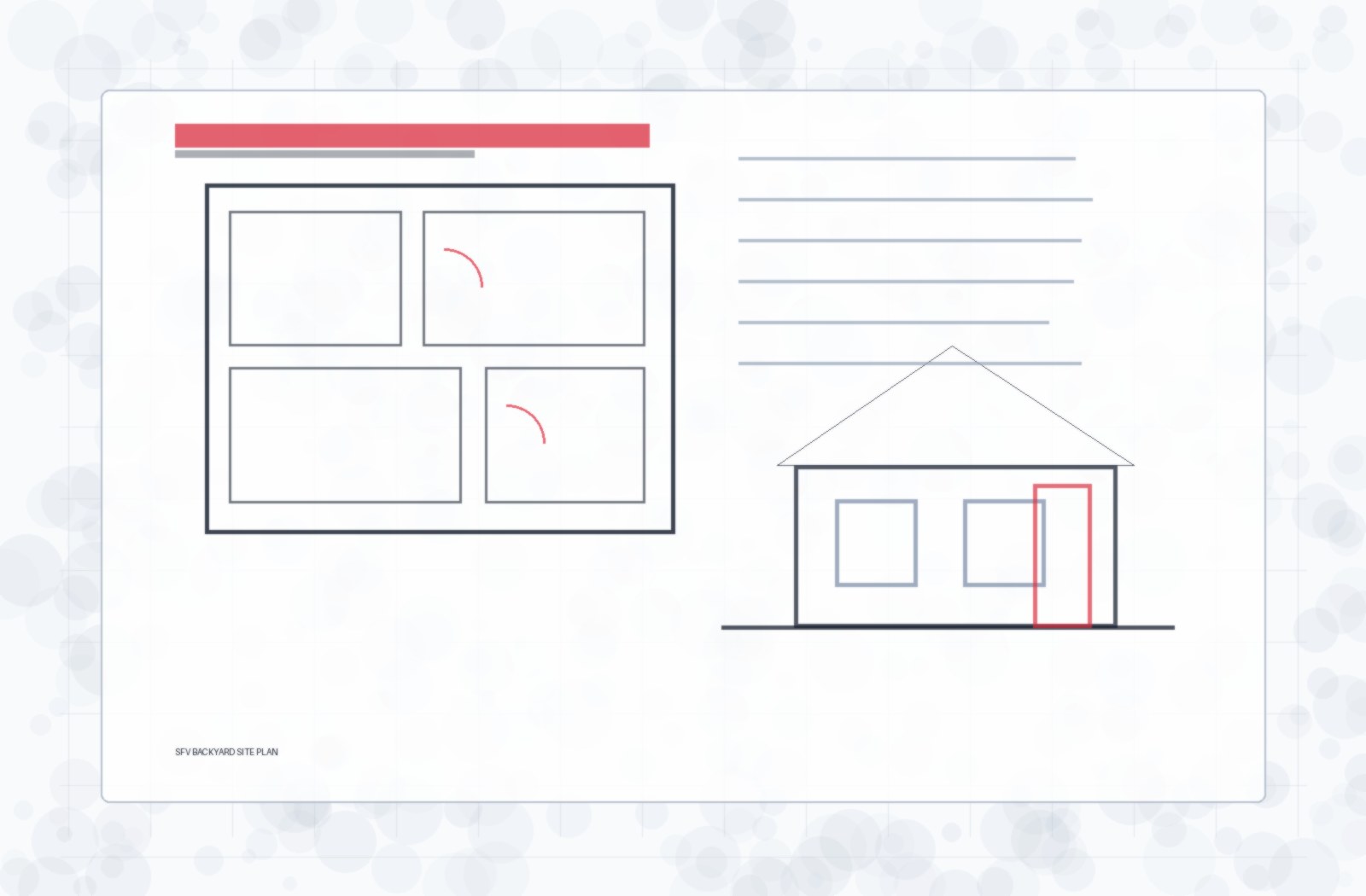
Turnkey should mean a clear construction path
A turnkey ADU process should make the project easier to understand, not harder to question. For San Fernando Valley homeowners, that means one organized path from the first conversation through site review, drawings, permit coordination, construction, inspections, finishes, and final corrections. The word turnkey can sound broad, so the useful test is simple: can the contractor explain what happens first, what needs to be verified, who is responsible for each step, and how the construction scope stays connected to the plan? A serious process should name the major decisions before the homeowner is deep into drawings or finish selections. A homeowner should be able to leave the first call with a short list of next steps: what information to gather, whether photos or old plans would help, what the site walk should cover, and which ADU type deserves the first serious look. That is the difference between a real process and a label placed on a sales page.
The site review sets the project up
The early site review should look at the actual property before anyone treats the ADU as a standard package. Access, gates, side yards, existing garages, drainage, main panel location, gas meter, water service, sewer cleanouts, possible trench routes, privacy, parking, and outdoor space can all affect the build. A detached ADU, garage conversion, junior ADU, or addition each asks different questions. BBC ADU starts with those practical conditions because they shape demolition, utility work, framing, inspections, material staging, finish decisions, and the way the main house functions while construction is happening. This is where local experience matters. Valley lots can have narrow access, older garages, mature landscaping, hillside conditions, finished patios, or long utility runs. A turnkey process should slow down long enough to identify those conditions before the project becomes an expensive set of assumptions.
Drawings and permits need construction input
Drawings and permit coordination are part of the turnkey path, but they should not be treated as paperwork detached from the jobsite. The plan set should reflect bathroom and kitchen placement, rough plumbing routes, electrical service, exterior openings, foundation or slab work, insulation, waterproofing, ventilation, and inspection sequencing. Permit comments may also affect the field scope, so a practical process keeps the construction conversation active while the plans are being refined. The goal is not to promise a simple approval. The goal is to keep the homeowner, design professionals, and builder aligned around a plan that can actually be built. Homeowners should expect honest language here. Permit review, corrections, and inspection requirements depend on the address and scope. A good contractor does not pretend those variables disappear. They explain how the drawings, permit path, and field work will stay connected as answers come in.
Construction sequencing keeps the job understandable
Once work begins, the homeowner should know how the major phases fit together. Depending on the ADU type, construction may include protection, demolition, trenching, concrete, framing, roofing, windows, doors, plumbing, electrical, HVAC, insulation, drywall, waterproofing, cabinets, flooring, tile, trim, paint, exterior repair, cleanup, and inspections. A turnkey ADU contractor in the San Fernando Valley should be able to explain which phases depend on inspection signoffs, which choices need to be made early, and where hidden conditions could still change the scope. That clarity helps homeowners follow the build without guessing what comes next. Clear sequencing also helps with homeowner decisions. Finish selections, appliance choices, window and door decisions, utility access, and inspection timing can affect one another. When those items are tracked together, the build is less likely to stall because a small decision was left until the wrong phase.
Finishes and punch list are still part of the process
A turnkey process should carry through the last details, because an ADU is not useful to the homeowner until it works as living space. Flooring, cabinets, bathroom tile, fixtures, doors, hardware, trim, paint, lighting, exterior details, appliance placement, ventilation, storage, cleanup, and punch list corrections all affect how the unit feels after the rough work is hidden. These decisions should be discussed early enough to support the budget direction and the intended use of the ADU. A compact family suite, rental unit, guest space, or work studio may need different finish priorities, and those priorities should stay visible from planning through final walkthrough. BBC ADU's role is to keep the construction side organized: review the property, coordinate the build path, keep utility and rough plumbing questions visible, manage the phases of work, and close out the details so the finished ADU is ready for daily use.
Related ADU pages
Talk through your ADU idea
BBC ADU can review your property, intended use, and build goals as you choose the right direction.
Request an ADU Estimate