detached ADU vs junior ADU Los Angeles
Detached ADU vs Junior ADU in Los Angeles: Practical Differences
Compare detached ADUs, garage conversions, additions, and junior ADUs for Valley homeowners.
Start with who will use the ADU
The detached ADU vs junior ADU decision in Los Angeles should start with the person who will use the space. A parent, adult child, long-term tenant, guest, caregiver, or remote worker may all need different levels of privacy, storage, kitchen function, bathroom access, outdoor access, and separation from the main home. A detached ADU can feel like a true backyard home because it has its own physical identity. A junior ADU usually stays more connected to the main house because it is created from existing interior space. Neither option is automatically better. The right choice depends on the lot, the house layout, the budget, the permit path, and the amount of independence the homeowner wants the unit to have. The answer also changes over time. A unit built for a parent today may become a rental later. A workspace may become a guest suite. A junior ADU may solve an immediate family need, while a detached ADU may create more long-term flexibility. Thinking about both current and future use helps the homeowner choose a smarter path.
Detached ADUs create separation and a larger construction scope
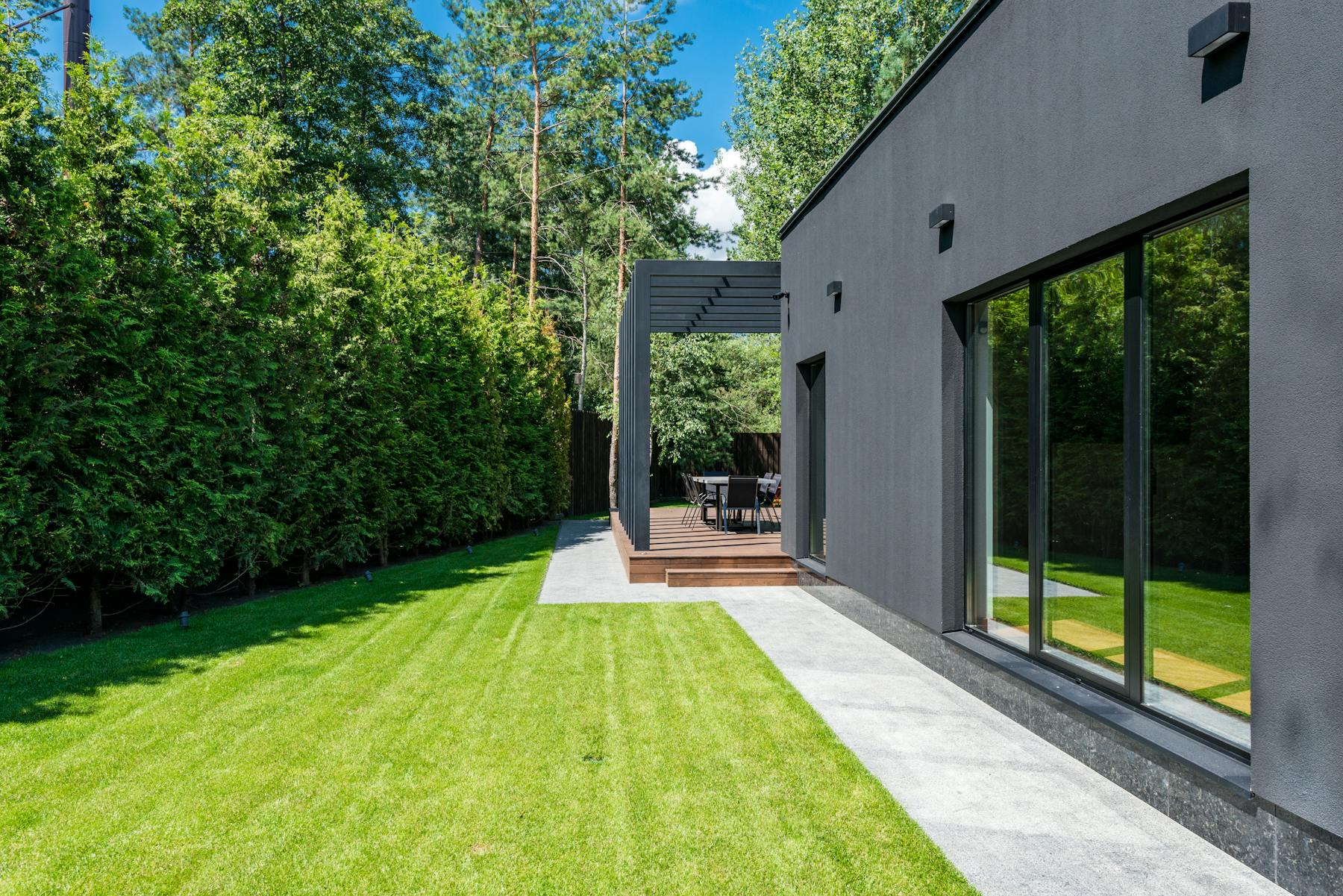
A detached ADU can offer the strongest privacy for rental use, multigenerational living, guests, or a separate work space. That separation comes with more construction scope because the unit needs its own foundation or slab work, framing, roof, exterior walls, windows, doors, insulation, mechanical systems, utility runs, drainage, access path, and inspection sequence. The backyard also has to support construction, which means the builder needs to review side-yard access, staging, trenching routes, mature landscaping, hardscape, slope, and how much outdoor space will remain. For many homeowners, the extra work is worth it because the finished ADU feels like a real small home rather than a room attached to the main house. Homeowners should also picture how the backyard will work after construction. A detached unit can create privacy and value, but it also changes outdoor space, views, storage, drainage, and the way people move through the yard. The best detached ADU plans leave the property feeling organized, not crowded.
Junior ADUs can work when the existing home supports privacy
A junior ADU can be efficient when the existing home already has a room, entry path, and layout that can support a compact independent space. The project may avoid some exterior construction, but it still needs careful thinking about privacy, sound, kitchenette function, bathroom access, storage, ventilation, finishes, and daily movement through the property. A junior ADU that looks simple on paper can feel awkward if the occupant has to cross too much of the main house or if the entry, bathroom, and kitchen functions are not planned together. BBC ADU helps homeowners look at the existing footprint honestly so the junior ADU idea is compared against the way the home is actually used. The existing home has to cooperate. If the layout forces an awkward entrance, weak sound separation, or a bathroom plan that does not serve the occupant well, the junior ADU may feel like a compromise. When the layout is right, though, a junior ADU can add useful living space with a more compact construction scope.
Garage conversions and additions can be middle options
Many San Fernando Valley homeowners start by comparing a detached ADU and junior ADU, then realize the garage or an addition may deserve a closer look. A garage conversion can offer more separation than a junior ADU while using an existing structure, but the garage must be upgraded into legal living space with proper insulation, openings, utilities, bathroom planning, kitchen function, and exterior finish. An addition can work when the homeowner wants more room connected to the main home, but it may not create the same independence as a detached backyard unit. The best early conversation compares all realistic paths instead of forcing the property into one ADU category too soon. This is why the early site walk should stay open-minded. A homeowner may ask for one ADU type and discover another path fits the property better. BBC ADU looks at the structure, lot, access, utilities, and intended use together so the recommendation is tied to the home rather than a generic ADU category.
Compare the options before drawings begin
Before drawings begin, the homeowner should compare ADU options against the real site conditions. Ask where utilities are, how construction access will work, how much privacy is needed, who will use the space, whether parking or storage will change, and how the finished unit should feel from the main house. Local review, zoning, hillside or fire conditions, building code, and utility requirements still need to be confirmed for the address, so early assumptions should stay flexible. BBC ADU's role is to help homeowners understand the practical tradeoffs between detached ADUs, junior ADUs, garage conversions, and additions before the project becomes a plan set that may be expensive to change. That comparison should happen before the homeowner spends money on drawings that assume the answer. A little more thinking at the beginning can save time later because the plan, budget, and permit path are more likely to match the property. The goal is a buildable ADU that fits the way the homeowner will use it.
Related ADU pages
Talk through your ADU idea
BBC ADU can review your property, intended use, and build goals as you choose the right direction.
Request an ADU Estimate