detached ADU builder San Fernando Valley
Detached ADU Planning Questions for San Fernando Valley Lots
Questions San Fernando Valley homeowners should ask before planning a detached ADU, from access and utilities to permits, construction, and finish goals.
Start by deciding where the detached ADU can realistically sit
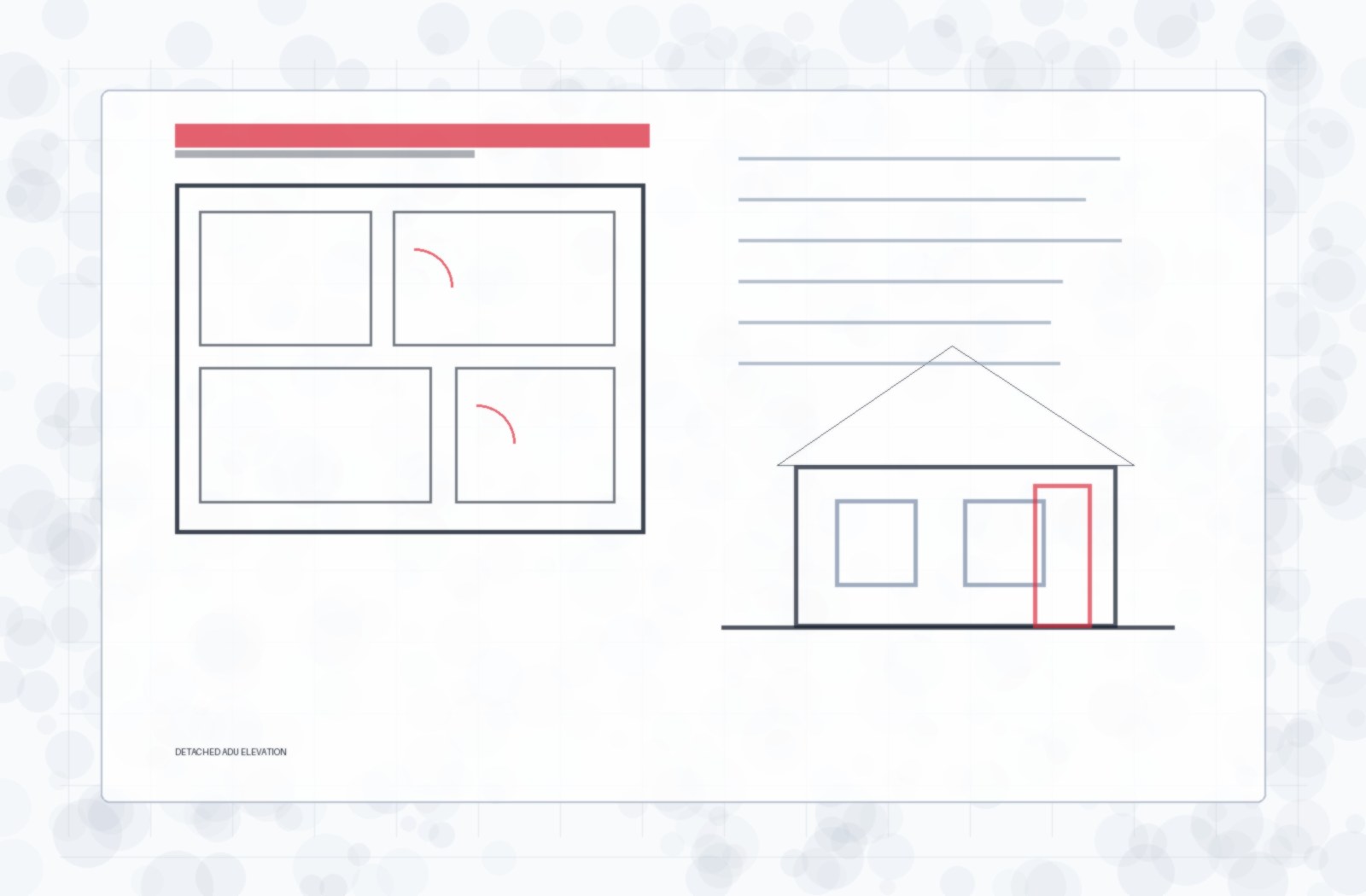
Detached ADU planning in the San Fernando Valley should start with the lot, not a stock floor plan. The homeowner needs to understand where a separate backyard unit could sit, how much outdoor space would remain, how the main house will relate to the new structure, and whether the construction path is practical. A deep yard in Woodland Hills, an older garage lot in Encino, and a compact backyard in North Hollywood can ask different questions even when the homeowner wants the same finished square footage. BBC ADU looks at side-yard access, gates, trees, patios, slope, drainage, privacy, staging, and the likely path for workers and materials before treating a detached ADU location as settled. This is where a builder's first questions matter. If the conversation starts with a generic plan and skips the property, the homeowner may not see the real constraints until money has already been spent on drawings or revisions.
Utility routes can shape the plan before the layout is final
A detached ADU often needs longer utility runs than a garage conversion or junior ADU. Sewer, water, gas, electrical, drainage, HVAC, and rough plumbing routes should be discussed before the bathroom, kitchen, entry, and exterior details are locked in. The location of the main panel, meter, cleanouts, water service, hardscape, and existing structures can affect the cost and sequence of the work. BBC ADU's plumbing background helps the team ask those questions early, when the plan can still respond to the property. A drawing that ignores utility routing may look clean on paper but create avoidable construction problems once trenching, inspections, and rough work begin. These utility questions do not need perfect answers on the first call. They do need to be visible. Once the likely routes are known, the homeowner can make better decisions about placement, layout, access, and budget direction.
Privacy and daily use matter as much as the building footprint
The best detached ADU plans think about daily life from both sides of the property. The occupant needs a clear entry, good natural light, practical storage, a useful kitchen, a comfortable bathroom, and enough separation to feel independent. The main house still needs privacy, yard access, parking, trash storage, lighting, and outdoor space that does not feel awkward after construction. Window placement, entry orientation, exterior lights, fencing, walkway routes, and mechanical equipment locations can all affect whether the finished unit feels like a planned backyard home or a structure dropped into the yard. Those decisions should be part of the early planning conversation, not late finish details. Detached does not automatically mean private. Privacy has to be designed through the way people enter, where windows face, how sound and lighting are handled, and how the yard is divided after the build.
Permits, drawings, and inspections should stay connected to the build
Detached ADU drawings need to reflect the real construction path. Before drawings move too far, the homeowner should confirm the jurisdiction, likely permit path, site constraints, utility approach, drainage conditions, access, and inspection sequence for the exact address. California ADU rules create opportunity, but each property still needs review for local requirements, overlays, hillside or fire conditions, and utility details. BBC ADU helps connect the construction scope with the drawings and permit coordination so the plan set does not drift away from what the lot can support. That connection matters when the project moves from paper into demolition, foundation work, framing, rough utilities, inspections, and finish work. The cleaner path is to keep drawings, permits, construction scope, and inspections in the same conversation. That gives the homeowner fewer surprises when the project moves into the field.
The first builder conversation should make the tradeoffs clearer
A useful first conversation with a detached ADU builder should help the homeowner compare choices. Is the detached unit the best fit, or would a garage conversion, junior ADU, or addition solve the same need with less disruption? Does the yard support construction access? Are the likely utility runs reasonable? Will the finished ADU feel private without crowding the main house? What decisions need drawings, permit research, or a deeper site review before pricing can be trusted? BBC ADU starts with those practical questions because a detached ADU is a small home with real construction scope. The goal is a buildable plan that fits the property, the occupant, and the homeowner's long-term use. That kind of review protects momentum. The homeowner can move toward drawings and permits with a clearer sense of what has been checked, what still needs verification, and why the chosen ADU type fits the property.
Related ADU pages
Talk through your ADU idea
BBC ADU can review your property, intended use, and build goals as you choose the right direction.
Request an ADU Estimate