ADU builder near me SFV
What Homeowners Should Look for in a Local ADU Builder
A practical guide for SFV homeowners comparing local ADU builders by site review, utility planning, permit coordination, construction scope, and communication.
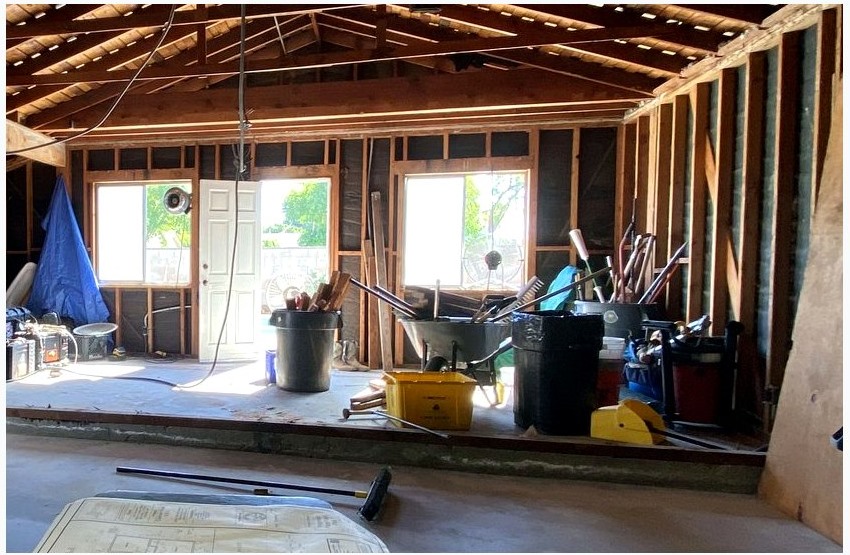
Start with the property, not a sales pitch
When homeowners search for an ADU builder near me in the SFV, the best fit is usually the company that asks about the actual property before making broad promises. Access, garage condition, utility locations, drainage, privacy, and the intended use should shape the first conversation.
Ask how the builder handles planning before construction
A local ADU builder should explain the path from site review to drawings, permit coordination, construction, inspections, finish work, and final corrections. The answer does not need to be complicated, but it should make the sequence clear enough for the homeowner to understand what happens next.
Look for utility and rough plumbing awareness
Sewer, water, gas, electrical service, drainage, rough plumbing, and trenching can affect the ADU layout before finishes are selected. BBC ADU's plumbing background helps the team discuss those routes early instead of treating utilities as a late-stage surprise.
Choose the builder who explains tradeoffs
A strong builder can compare detached ADUs, garage conversions, junior ADUs, and additions against the real lot. The right answer should connect the homeowner's goals with access, budget direction, privacy, permit path, and how the finished unit will be used.
Local experience should show up in practical questions
A local ADU builder should know that San Fernando Valley lots vary widely. Some homes have narrow side yards, older garages, long utility runs, mature landscaping, hillside conditions, or finished patios that limit access. The builder should ask about those conditions early because they affect staging, demolition, trenching, framing, inspections, and cleanup.
A site walk should connect goals with constraints
The site walk should not be a quick look around the yard. It should connect the homeowner's goal with the lot, existing structures, utility points, privacy, parking, storage, and the way people will move through the property. That review helps decide whether a detached ADU, garage conversion, junior ADU, or addition deserves the first serious look.
Permit coordination needs address-specific review
California ADU rules create broad opportunity, but the actual permit path still depends on the address. A builder should be comfortable discussing jurisdiction, zoning review, hillside or fire conditions, drawings, inspections, and the construction scope that needs to line up with the plan set. Vague answers here can create problems once the project is already moving.
The proposal should explain what is included
A useful proposal tells the homeowner what is included for site preparation, utility work, framing, exterior work, kitchens, bathrooms, finish materials, inspections, cleanup, and punch list items. It should also explain what still needs verification. A short total without scope notes does not give the homeowner enough information to compare builders.
The right builder respects the occupied home
Most ADU projects happen while the homeowner still uses the main house. The builder should talk about access, dust, deliveries, noise, neighbors, pets, children, parking, security, and how the jobsite will be kept workable. Those details are easy to miss during a first call, but they make the construction phase easier to live with.
What local should mean when hiring an ADU builder
Local should mean more than a service-area claim. For an SFV ADU project, the builder should understand compact Valley lots, older garages, utility tie-ins, jurisdiction checks, inspection sequencing, and how homeowners live with construction near the main house. The first conversation should feel specific to the property, not like the same pitch given to every caller.
A builder should help compare ADU types
A homeowner may start with a detached ADU idea and discover that a garage conversion, junior ADU, or addition fits better. The opposite can happen too. A good builder explains those tradeoffs before drawings move too far. Privacy, access, utilities, budget direction, yard space, and long-term use should guide the recommendation.
Drawings and permits work better with construction input
Plan sets are more useful when the construction team has already reviewed the property. Bathroom placement, sewer route, electrical service, exterior openings, foundation or slab work, access, and finish direction can all affect the drawings and permit coordination. BBC ADU helps keep those construction questions connected to the planning path.
Inspections and finish work should not be afterthoughts
The build is not finished when the rough work is done. Inspections, insulation, drywall, waterproofing, cabinets, tile, flooring, trim, fixtures, paint, exterior details, cleanup, and final corrections all need coordination. A local builder should explain how those later phases are tracked so the ADU becomes a usable living space, not just a permitted shell.
How BBC ADU approaches the first conversation
BBC ADU starts with the homeowner's goal and the real site conditions: the lot, access, existing structures, visible utilities, likely rough plumbing routes, privacy, and the intended use of the ADU. That gives the project a practical starting point before the homeowner commits to drawings, selections, or a construction schedule.
Related ADU pages
Talk through your ADU idea
BBC ADU can review your property, intended use, and build goals as you choose the right direction.
Request an ADU Estimate