ADU addition contractor SFV
ADU Additions vs Detached Units: Practical Tradeoffs
A practical comparison for SFV homeowners choosing between an ADU addition and a detached unit, with access, utilities, permits, inspections, construction, and finish work in mind.
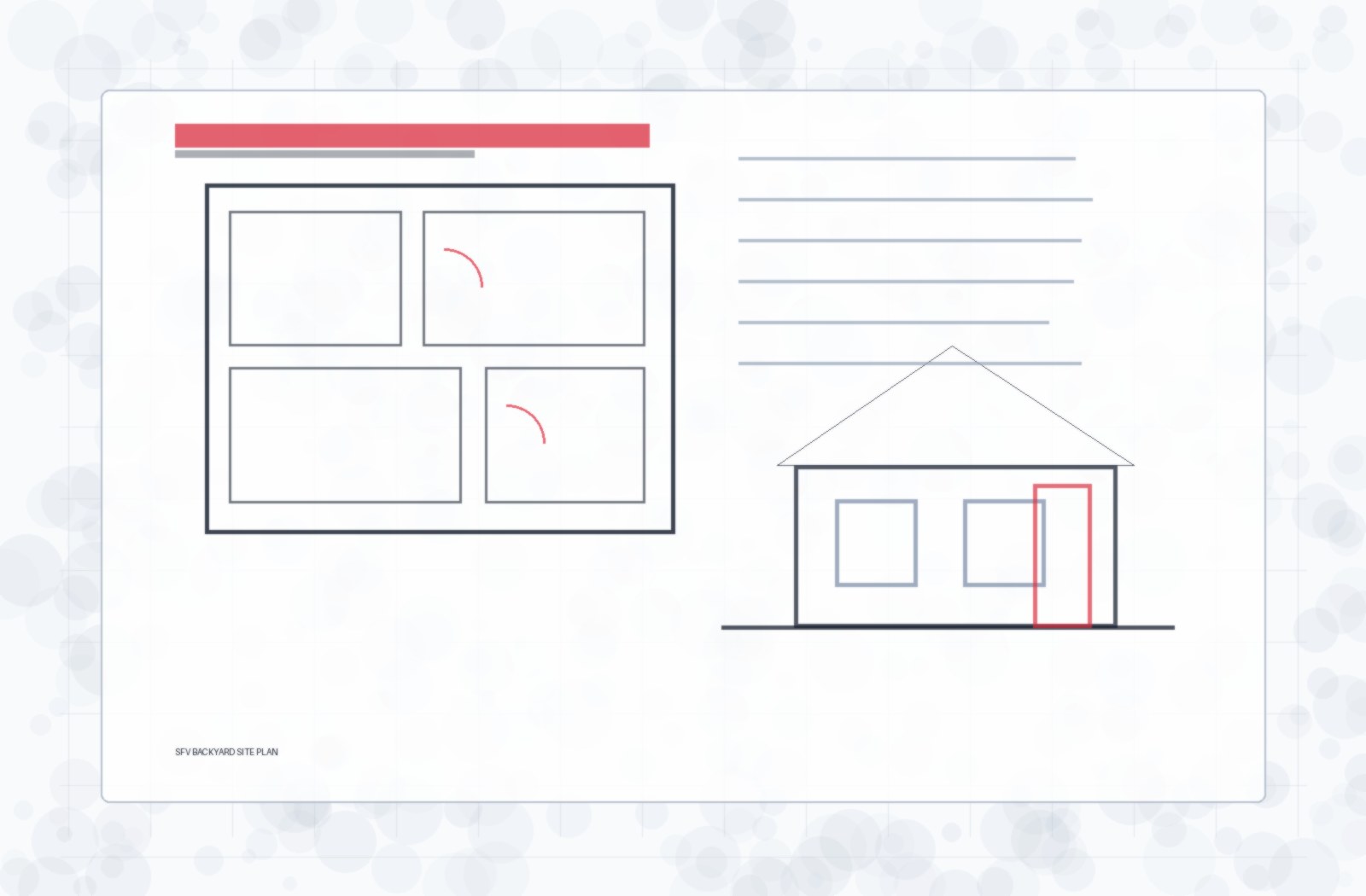
Start with how the new space should live
An ADU addition and a detached ADU can both create useful living space for a San Fernando Valley property. The decision should start with the person who will use the unit, the level of independence they need, and how the main house should work after construction. A parent suite may benefit from a closer connection to the home. A rental-flexible unit or guest space may need more separation, its own outdoor path, and a layout that feels private. Homeowners looking for an ADU addition contractor in the SFV should expect the first conversation to compare those daily-use questions with the real property, not start with a single preferred answer.
An addition ties into the main house
An ADU addition can make sense when the homeowner wants the new space attached to the existing house. That path asks construction questions that a detached unit may avoid. The plan has to account for roofline transitions, structural tie-ins, exterior walls, interior circulation, entry location, sound, privacy, fire separation, waterproofing, windows, doors, and how people will live in the main home during the work. The utility plan can be shorter than a detached run, but the tie-in points may be more sensitive because the project touches the existing structure. BBC ADU reviews those conditions before the addition becomes a fixed floor plan.
A detached ADU asks more from the lot
A detached ADU can give the occupant more independence and can protect the main home's daily routines during construction. The lot has to support that separation. The builder needs to review backyard placement, side-yard access, foundation or slab work, drainage, privacy, exterior lighting, windows, storage, and how much usable yard remains after the unit is built. Sewer, water, gas, electrical service, rough plumbing, HVAC, and inspections may require longer runs from the main house to the new structure. A detached unit can be the stronger option when the property can handle the access, utility, and outdoor-space tradeoffs.
Permits, drawings, and utilities should decide the direction early
The choice between an addition and a detached unit should stay flexible until the address, site conditions, and utility routes have been reviewed. Drawings and permit coordination need to reflect the chosen ADU type, the existing structure, the inspection sequence, and the construction work that will happen in the field. An addition may require more detail where new work meets old framing. A detached ADU may require more site planning for trenching, foundation work, and exterior systems. BBC ADU helps homeowners keep those items in one conversation so drawings, permits, construction, inspections, and finish work do not pull in different directions.
Compare cost pressure without guessing
No useful comparison starts with a made-up price. An addition can save some distance on utilities, yet it may add complexity where the project connects to the main house. A detached ADU can cost more in site work and utility runs, yet it may keep the main home's floor plan and privacy cleaner. The budget conversation should cover visible structure, access, trenching, rough plumbing, electrical service, drainage, framing, roofing, exterior assemblies, kitchens, bathrooms, finishes, inspections, cleanup, and final punch list work. A site walk gives the homeowner a better basis for comparing the paths before money is spent on the wrong plan.
Related ADU pages
Talk through your ADU idea
BBC ADU can review your property, intended use, and build goals as you choose the right direction.
Request an ADU Estimate